

The Soapbox Series Vol. 3
Water water everywhere, and not a drop to drink.
Prefiere leerlo en español? Haga la traducción directamente en su browser
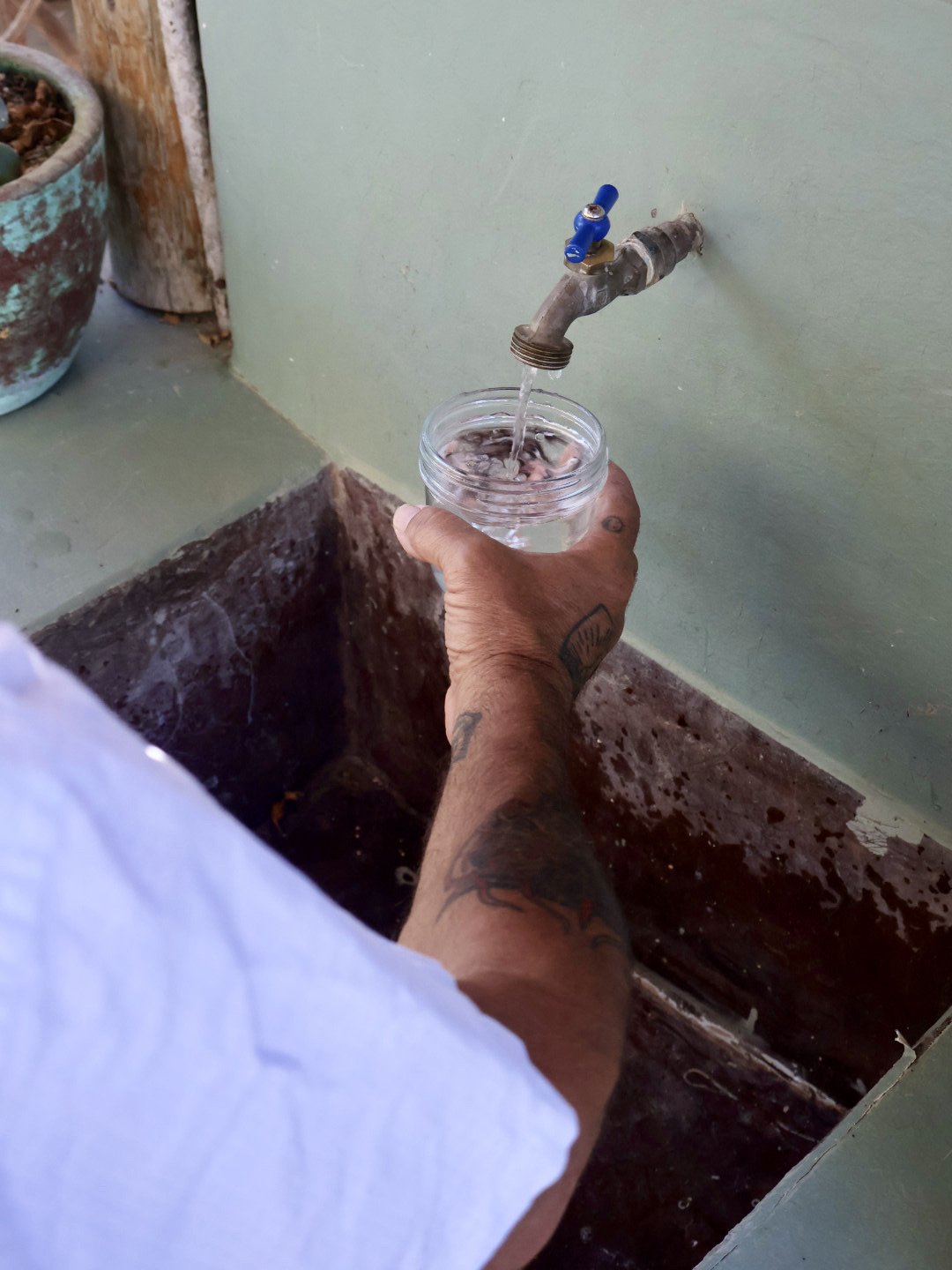
Water is essential. I know, this is not news to anyone. And in many places that many of us have called home, you know what to expect when you turn on the faucet because of the immense and intense filtration regulations that have been involved; on-deman potable drinking water. However, as you may have noticed, we are at the bottom of a rapidly-developing peninsula that most days is a serene arid desert landscape. So if it hasn’t been apparent before, water usage is of paramount interest.
As a toxicologist and marine biologist who was recruited out of college by one of the largest oil refineries in the world to build and run their NorCal waste water lab, this is something I think about. A lot. It’s probably a bizarre fascination, but luckily I’ve come to call Baja Sur home, which is a place where my knowledge seems in demand. And so, allow me to step atop the soapbox and share some insights for terminology you may have heard used during water testing as it relates to the quality of our drinking water.
What is the difference between a nitrate and a nitrite?
Nitrates are used in fertilizers that can enter the water source from runoff and contaminate it. In the intestine, nitrates convert to nitrites that prevent blood from transporting oxygen. They pose the greatest risk to children whose systems have yet to fully develop with natural enzymes that help to restore blood’s ability to carry oxygen.
There’s a reason urban developments stopped using lead-based paints.
Lead can enter the local water supply from natural underground deposits. Though more often, it’s from the improper disposal of pollutants, and may even come from old metal pipes. Lead can cause physical and mental development issues in the young, and for adults with repeated or prolonged exposure it may cause a variety of serious health issues.
While there are certainly good forms of bacteria, the kind that infiltrates the water supply is generally the kind that causes stomach issues, and sometimes worse. Because we are surrounded by the most stunning agricultural fields that feed us so well, it’s important to also recognize that the fecal matter that fertilizes the soil is often nothing that we should be consuming in our water supply.
What happens to all those materials that go up in flames when the dump is on fire?
We all know how awful the air quality gets when the dump is actively on fire. What we often forget to consider is what happens when the dust settles and where it lands…what has been burnt not only evaporates into the air around us, but is absorbed into the ground below.
It’s for all of these reasons that it’s important to know your water, and to change your filters annually to avoid a situation that may become harmful to you and your family.
Geez, Drew, this is pretty gloom and doom.
I think the glory of living in this part of the world is the ability to choose your own adventure. You can know as much, or as little, as you want about how things work, and be as much of an active participant in determining your lifestyle here.
You can be creative with how your grey water is used, allowing it to run directly into your garden to feed your plants without having to turn the hose on and run up your water bill. You can install solar panels and never worry about the power grid. You can farm your own vegetables, build any crazy design for your house that you can imagine, party all night, surf all day, open a business one day, and change your mind the next.
The freedom to dwell well is nothing short of incredible, and if something I’ve shared helps you do that with greater confidence, we’re all the better for it.
The Soapbox Series is presented by Know Your Water Baja: Water testing & filtration system solutions crafted by Drew Reinstein; a 20 year veteran toxicologist & marine biologist certified by the EPA, and California Departments of Toxic Substances Control & Health Services.
Learn more below!